
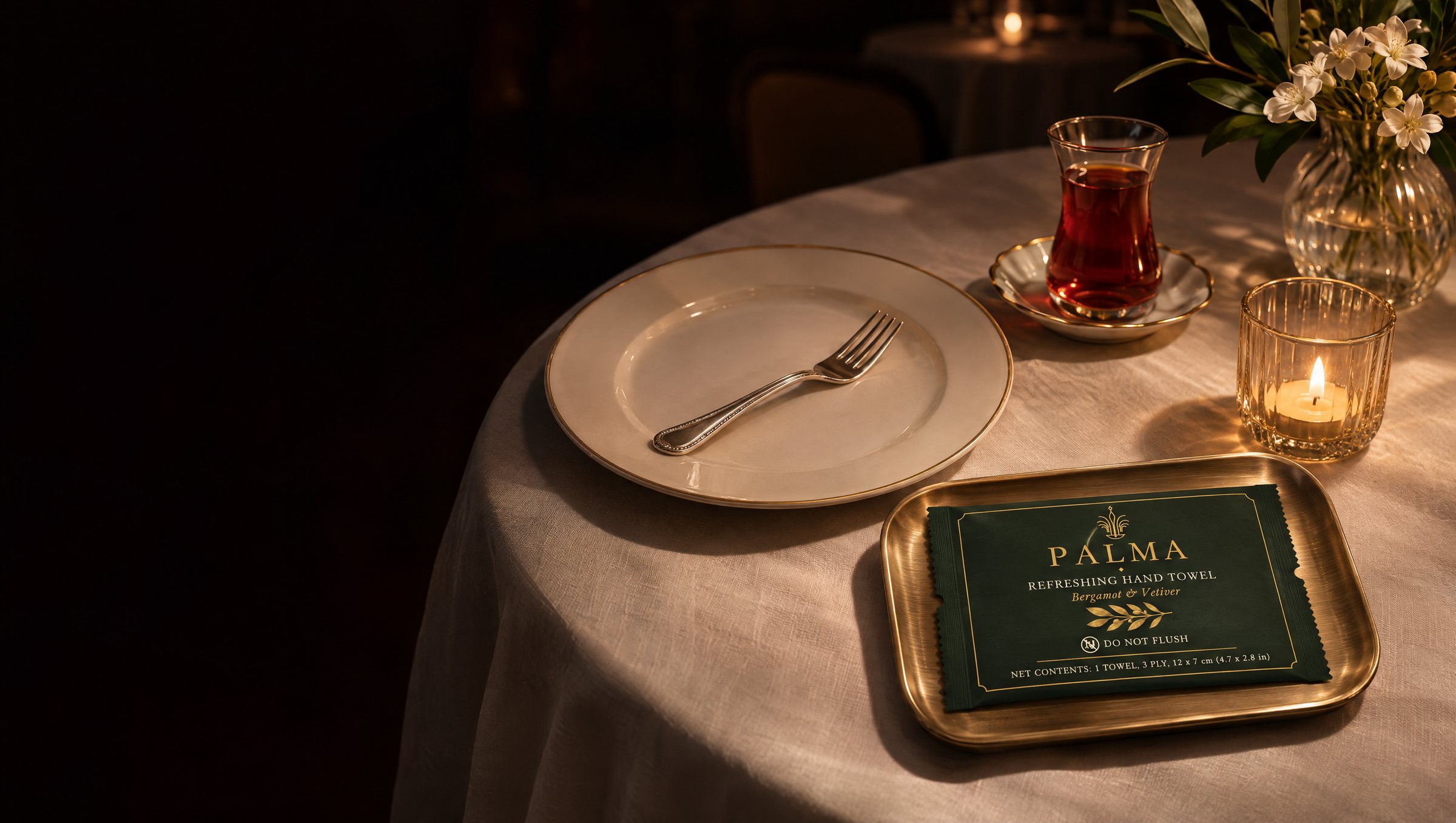
Ask a guest to describe a dinner from three months ago and you will rarely hear the full menu. You will hear one or two moments, and almost always one of them is the end. The way an evening closes is the story the guest carries out of the room. It is the version retold to friends over the following week, and it quietly decides whether there is a next visit, another booking, another table filled.
The mind keeps the ending
In the early 1990s, the psychologist Daniel Kahneman and his colleagues ran a series of experiments on how people remember unpleasant experiences. Subjects held a hand in painfully cold water, twice: once in a short trial, and once in a longer trial that ended with the water slightly warmed. Logic says the longer trial is worse, because it contains all the discomfort of the short one plus more. Memory disagreed. When subjects were asked which trial they would repeat, most chose the longer one, because it ended better. From studies like this came what is now called the peak-end rule: we do not average our experiences, we sample them, and the two samples we keep are the most intense moment and the final one. Duration barely registers at all. It helps to think of memory as an editor rather than a recorder. The editor does not keep the whole film; it keeps a highlight and a closing scene, and cuts the rest. A dining room is not a cold water bath, but the arithmetic holds. Guests do not leave with a spreadsheet of the evening. They leave with a highlight and an ending, and those two memories do most of the voting when they decide how the night went. There is a further twist worth sitting with. An ending does not merely add itself to the record; it reads backward, recoloring everything that came before it. A warm close makes the whole meal feel, in retrospect, more considered. A flat one casts a small shadow over courses that deserved better. The implication is uncomfortable: two hours of excellent cooking can be edited down, in memory, to whatever happens while the guest waits for the bill.
Guests do not grade the evening on a curve. They remember its best moment and its last one, and the last one is the part the house fully controls.
PALMA service notes
Where hospitality fades
Watch the final five minutes of a meal in almost any restaurant and a pattern appears. Arrival is choreographed down to the greeting, the lighting, the temperature of the room. The close is treated as administration. Part of this is structural: by dessert, the team's attention has already drifted to the next seating, side work, and the mathematics of the tip. The guest, meanwhile, is doing the opposite, settling into the most unguarded minutes of the evening, and noticing far more than the room assumes. The bill is requested and eye contact disappears as the server juggles three other tables. The payment folder arrives and is opened with the enthusiasm of paperwork. Then the party drifts toward the exit, unaccompanied, past tables still being actively cared for, and the goodbye, if it comes at all, is spoken to a door that is already closing. Nothing is wrong, exactly. Nothing is composed either. At the precise moment memory is sealing the evening, most rooms stop performing and start processing. None of this comes from indifference. It comes from drift, from a service culture that rehearses the welcome and improvises the farewell. Guests rarely complain about it, which is precisely the problem. They do not write a review about the unattended goodbye. They simply book somewhere else next time, and when asked why, they say something vague about the place having slipped. The meal is not finished when dessert is cleared. It is finished in the guest's mind at the door, and the mind gives the ending a weight that most service plans never account for.
- The silent interval between asking for the bill and seeing it, when the table runs out of things to say
- The payment handoff, reduced to a card machine and a signature
- The unaccompanied walk to the door, past tables still being cared for
- The goodbye that arrives late or not at all, offered to a guest already facing the street
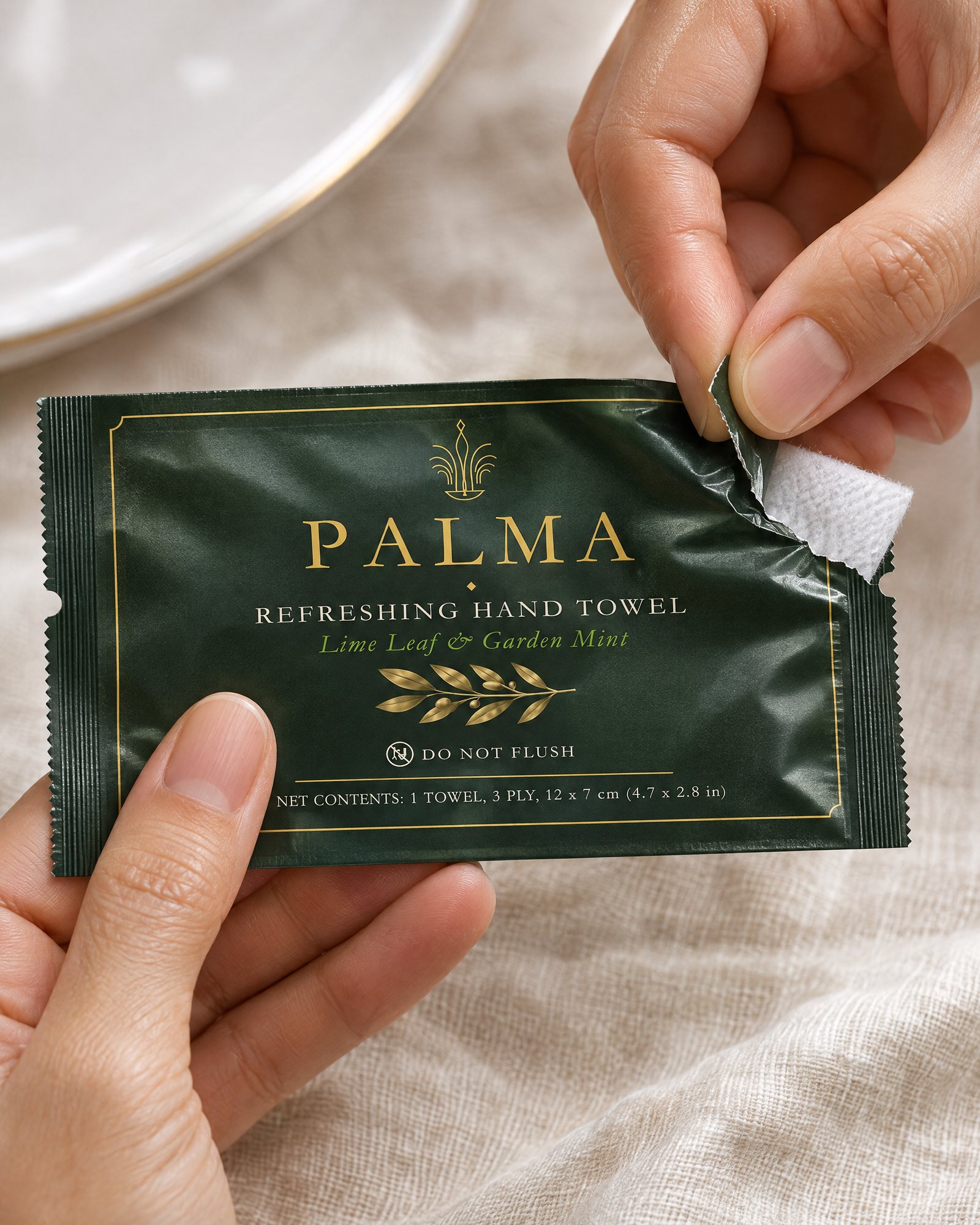
A closing ritual does not need to be elaborate. It needs to be deliberate, and it needs to arrive at the right moment. When a cool, lightly fragranced towel is presented at the end of a meal, several things happen at once. The guest's hands are refreshed. The pace of the table softens for a beat. And the house receives one final, physical opportunity to say: this part was considered too. The gesture is small; its position in the evening is not. It lands precisely where memory is being written, which is why guests mention it out of all proportion to its cost. What such a ritual asks of a team is equally modest: a sense of timing, a consistent temperature, a presentation that matches the tableware, and the discipline to repeat it on a full Saturday as faithfully as on a quiet Tuesday. Rituals fail when they depend on enthusiasm; they hold when they are simple enough to become habit. This is the practical side of the peak-end rule in hospitality. Guest experience is usually discussed as a total, a sum of the food, the room and the service. Memory does not work that way, and neither does word of mouth. Nobody tells a friend about the average quality of a dinner. They tell the story of a moment, and the easiest moment to hand them is the last one. A composed ending gives the guest a detail that is simple to repeat: they brought chilled towels at the end, with this quiet botanical scent, and it was the perfect full stop. That is a sentence a friend can hear and act on. Restaurants that invest in restaurant customer retention tend to look first at loyalty programs and follow-up emails. The evidence from memory research points to a cheaper and more reliable lever: compose the ending. Treat the farewell with the same seriousness as the greeting. A meal that closes with care produces guests who describe the whole evening more warmly, return more readily, and recommend more specifically. The final five minutes are not the end of the service. They are the beginning of the story.