
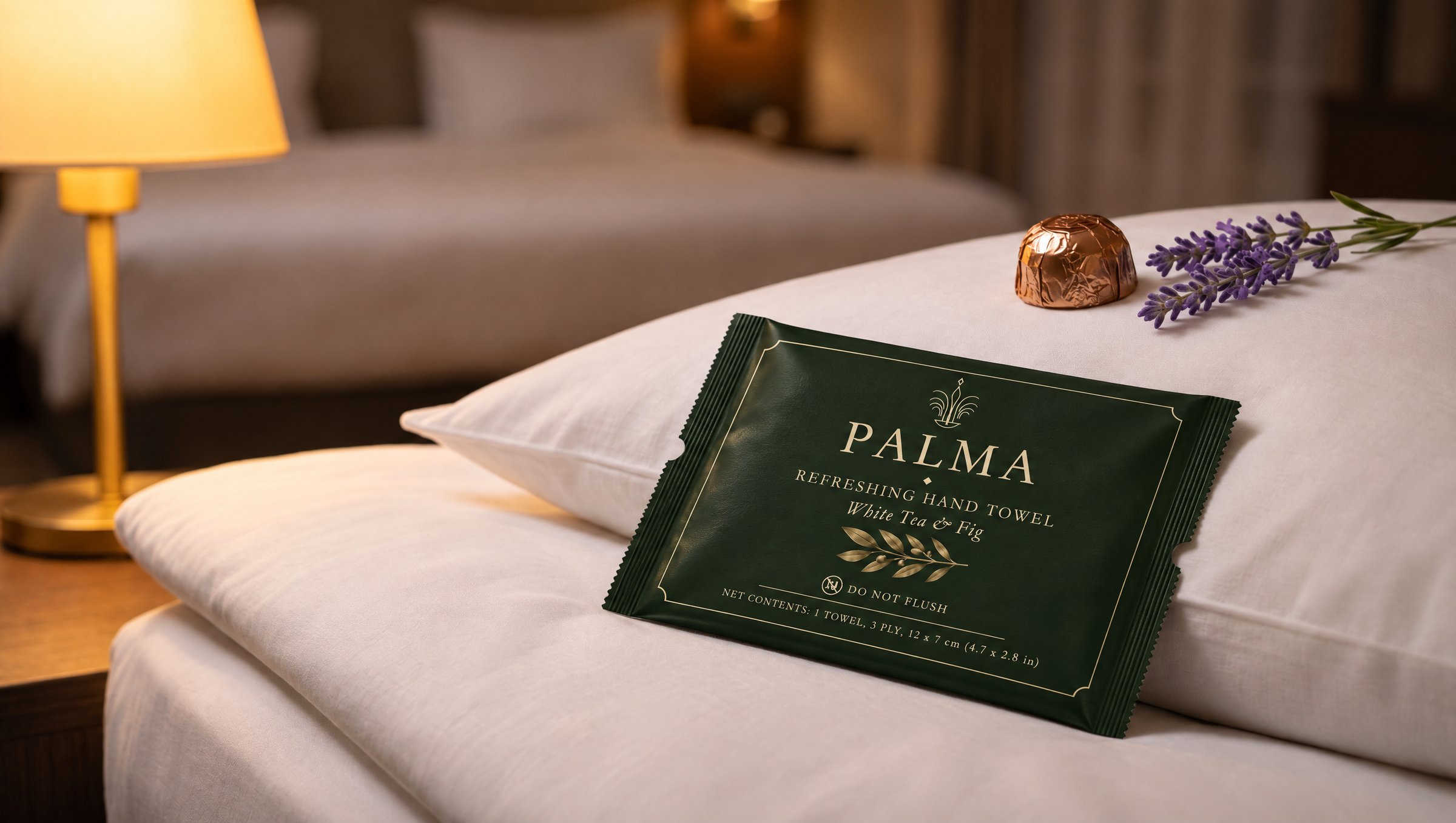
Turndown is the only part of hotel service performed for an audience that is not present. Nobody watches it happen. The guest opens a door an hour later and reads the whole thing at once, the way you read a set table before anyone sits down. That is a strange kind of service, and most hotels treat it as a cleaning round with a chocolate attached.
An empty room is read, not experienced
Every other service moment in a hotel unfolds in time. Check in has a conversation inside it, with pauses and recoveries, and a warm front desk can rescue a slow queue. Breakfast has a sequence. Turndown has none of that. It arrives complete, and the guest takes it in during the three seconds it takes to cross the threshold and put a bag down. There is no chance to explain and no chance to correct. Because it is read rather than experienced, it behaves more like design than like service. The guest is not assessing whether someone was friendly. They are assessing whether someone was thinking. A bed opened at the wrong corner, a lamp left harsh instead of low, a tray set down at an angle nobody chose, and the room reads as processed. The same room with the same items placed deliberately reads as attended. Nothing about the labour changed. What changed is whether the arrangement suggests a person made decisions in that room.
The guest cannot see the care that went into a room. They can only see whether the room looks like anyone made a decision in it.
PALMA service notes
The problem with the chocolate
The pillow chocolate has survived for decades and is worth examining, because it is the clearest example of a gesture that has stopped meaning anything. It once signalled generosity. Now it signals that the hotel is doing what hotels do. Guests do not dislike it. They simply do not read it as a decision, because it is the default, and a default cannot carry a message. The weakness is not the chocolate itself. It is that the gesture asks nothing of the guest and offers nothing specific. It is eaten or ignored within seconds and leaves nothing behind. A gesture that works at turndown tends to do one of two things: it either improves the next twenty minutes of the guest's evening, or it gives them something to carry into the next day. The best ones do both, which is why a folded robe placed where it will actually be used beats an ornamental one, and why a glass of water beside the bed is quietly one of the most appreciated things a hotel does. Neither is expensive. Both are evidence that somebody imagined the guest's next hour rather than completing a checklist. Four tests separate a gesture that works from one that merely decorates.
- It improves the next twenty minutes rather than decorating the room
- It still works for a guest coming in at one in the morning, tired and not looking for a performance
- Its absence would be noticed on the second night, not just its presence on the first
- The hotel on the same street cannot copy it by the weekend
Composing the arrangement
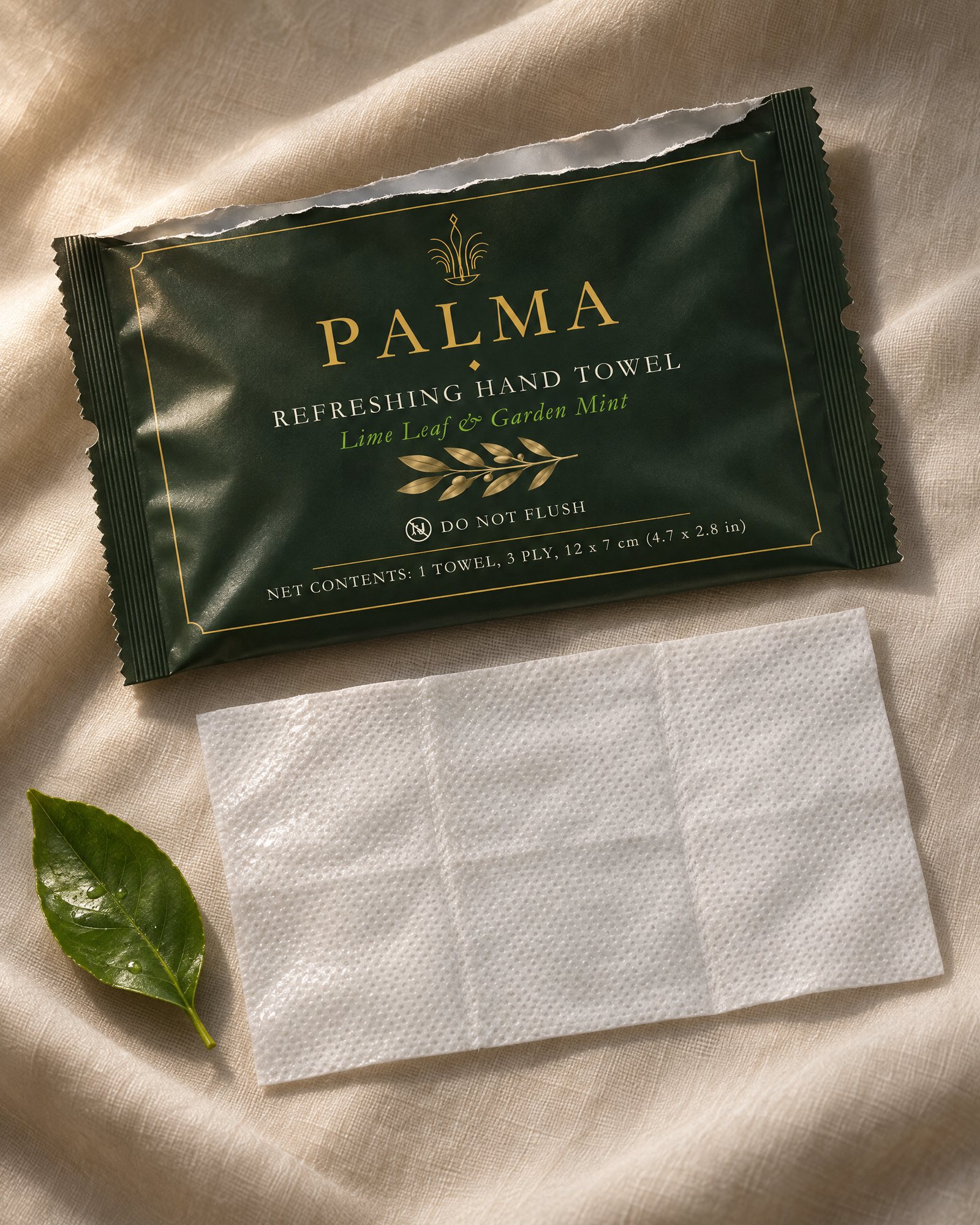
Think of the turned down room as one composition rather than a list of tasks, and the decisions become easier. Light first, because light sets the register before anything else is noticed. Then the bed, which is the subject of the picture. Then whatever sits on the nightstand, which should be the two or three things a person reaching across in the dark would actually want. Everything else is subtraction. The most common fault in turndown is not meanness but clutter: too many items, each individually defensible, arranged into something that reads as a display rather than a room prepared for sleep. Placement carries more meaning than quantity. An item set where the guest will reach for it reads as useful. The same item centred on a tray reads as decoration, and decoration is what the guest politely moves aside. This is also the test for a scented towel at turndown. Left in the middle of the bed it is an ornament. Set beside the basin or on the nightstand with the water, it is something a traveller coming in from a late flight will actually open, and the whole gesture changes from presentation to care.
Consistency matters more here than in almost any other part of a hotel, because turndown is read twice. The second night is when a guest learns whether the first was a standard or a coincidence. Rooms that compose turndown carefully on Tuesday and skip it on Saturday are not saving labour; they are teaching the guest that the hotel's attention is unreliable, which is a more expensive lesson than the one they meant to deliver. None of this requires a larger budget. It requires deciding what the arrangement is saying and then saying it the same way every night. The guest will never see the person who did it. They will see the decision, and the decision is the service.